


Hold and Succeed Titles Incorporation Costs for British Systems
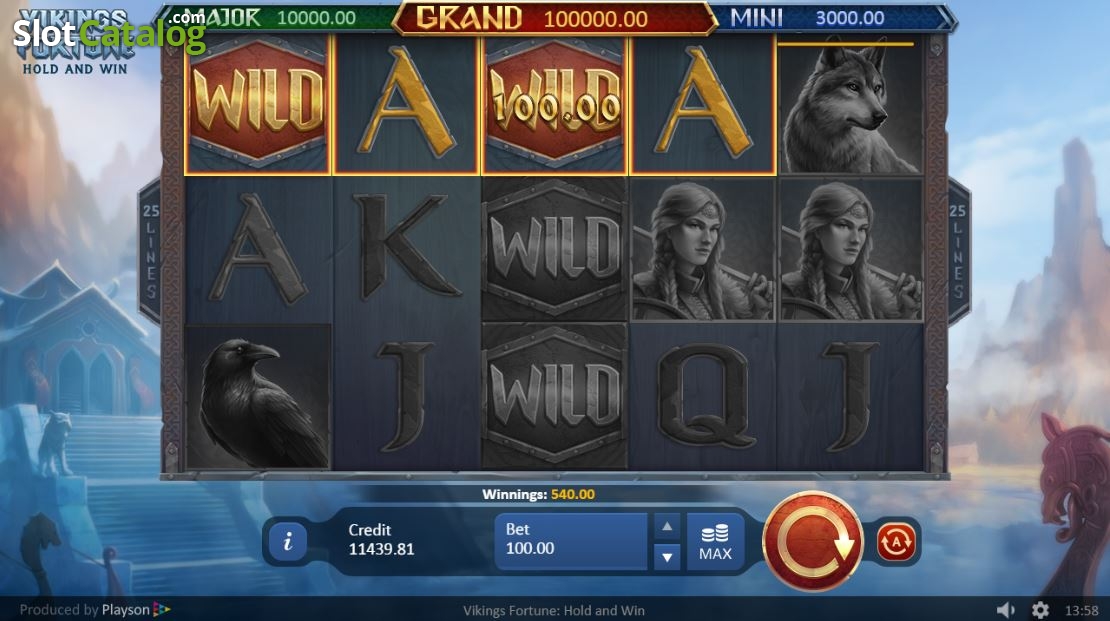
The integration of Retain and Triumph games into UK networks involves several monetary hurdles that providers must navigate, hold and win game. Considerable costs originate from licensing costs and conformity with stringent rules set by the United Kingdom Gambling Commission. Creators also encounter the requirement of allocating in technology and promotion initiatives to draw players. Understanding these implications can give insights into potential profits—but what happens if those costs outweigh the benefits in such a competitive environment?
Grasping Retain and Triumph Activities: An Summary
Hold & Win games have swiftly achieved traction in the gambling industry, especially among British systems. These titles merge conventional machine dynamics with engaging additional features, increasing player engagement and thrill. The main mechanic centers around ‘retain’ icons that freeze on the display during additional sessions, while players turn for more matching icons to discover significant rewards.
This combination of immediate fulfillment and planned gameplay enthralls both casual gamers and seasoned gamblers, nurturing a unique gambling ecosystem. Developers have innovatively included graphically appealing graphics and absorbing audio, enriching the gamer interaction. As networks adapt to these games, a growing comprehension of their dynamics and gamer mindset becomes vital for providers striving for fierce superiority in an progressively packed arena.
Financial Implications of Integration
As British networks increasingly accept Hold & Win activities, the monetary consequences of integration warrant meticulous examination. These platforms confront various costs that can greatly influence their bottom line. Principal monetary aspects consist of:
- Development Costs
Comprehending these consequences assists platforms manage the challenges of integrating Hold and Win games, ensuring strategic financial planning coincides with overall business aims.
Licensing Costs and Regulatory Compliance
How do licensing costs and regulatory compliance influence the integration of Hold and Win games for UK platforms? UK platforms experience significant licensing fees and continuous costs related to maintaining compliance with the UK Gambling Commission’s regulations. These expenses can markedly affect budget allocations for game integration, often prompting operators to prioritize compliance over creative features. Additionally, the intricate regulatory environment requires comprehensive audits and legal advice, further burdening financial resources. Companies must also allocate in reliable systems to guarantee player protection and responsible gambling practices, which introduces another level of expense. Consequently, these cumulative factors can slow the pace to market for new Hold and Win titles, finally impacting strategic decisions in content acquisition and total platform competitiveness.
Technical Requirements for Successful Integration
Efficient integration of Hold and Win games requires a strong understanding of necessary software platforms, as well as adherence to compliance and security standards. These elements guarantee not only functionality but also protecting player data and maintaining platform integrity. Being aware about these technical requirements is essential for any UK operator looking to execute these games effectively.
Essential Software Platforms
Integrating Hold and Win games within UK platforms requires a solid ecosystem of software solutions that guarantee uninterrupted functionality. Several important software components are essential for uninterrupted integration and excellent player experience. These include:
- Game Development Structures
- API Integration Tools
- Database Management Systems
- Analytics Platforms
Conformity and Security Standards
Establishing adherence and security standards is a essential aspect of integrating Hold and Win games into UK platforms. Regulatory bodies, such as the UK Gambling Commission, impose strict requirements to guarantee player safety, equity, and data security. Adherence to these standards necessitates thorough audits and ongoing monitoring to address any vulnerabilities. Developers must execute robust encryption protocols and conduct regular penetration testing to safeguard sensitive information. Additionally, integrating a comprehensive risk management structure helps identify potential non-compliance issues before they escalate. Without these measures, platforms risk significant penalties and reputational damage, ultimately affecting user trust. As a result, careful attention to compliance and security is imperative for a successful integration of Hold and Win games into the challenging UK iGaming environment.
Partnerships With Game Developers and Providers
Partnerships with game developers and providers play a vital role in maximizing the benefits of hold and win game integration for UK platforms. These collaborations often involve intricate licensing agreements and diverse revenue-sharing models that can markedly impact profitability. Understanding these interactions is essential for platforms aiming to enhance their offerings and maintain a competitive edge in the market.

Developer Collaboration Benefits
When game developers and platforms collaborate tactically, they reveal a range of benefits that improve both product offerings and market reach. This collaboration improves the gaming ecosystem in various ways:
- Enhanced Innovation
- Resource Streamlining
Licensing Agreements Dynamics
While maneuvering across the complex landscape of the video game sector, developers and platforms frequently engage in contracts that can considerably affect their operations. These contracts act as the basis for collaboration, shaping the entitlements and responsibilities of every party. Such contracts dictate the utilization of IP and establish guidelines for title incorporation, thereby allowing platforms to enhance their offerings whilst guaranteeing adherence with regulatory standards. The interaction of these agreements also influence creativity; developers may be motivated to develop unique content tailored to platform requirements. In the end, effective contracts can facilitate seamless integration procedures, aligning objectives and optimizing the possibility of such games within the competitive UK sector, ensuring every stakeholders reap significant benefits from their partnerships.
Revenue Sharing Models
Revenue sharing models play a crucial role in the partnership between platforms and game developers, defining the way profits are shared from successful titles. These models can vary widely, influencing developer motivations and service earnings. Important aspects often include:
- Percentage Split
- Incentive Payments
- Tiered Structures
Understanding these frameworks is essential for platforms looking to improve partnerships and boost financial outcomes in the challenging environment of the UK gaming market.

Marketing and Promotion Expenses
Marketing and promotion expenses play a crucial role in the successful integration of Hold and Win games for UK platforms. These costs cover a range of strategies, including targeted advertising, influencer partnerships, and promotional campaigns tailored to attract and maintain players. Allocating funds for market research is fundamental, as it allows operators to understand consumer preferences and adjust marketing tactics accordingly. Additionally, incorporating special promotional features, such as bonus rounds or special events, can enhance the player experience and encourage engagement. However, budgeting effectively remains essential; spending excessively without a clear strategy may undermine potential returns. Ultimately, well-managed marketing expenses are integral to building brand awareness and achieving a industry edge in the quickly developing iGaming market.
Long-Term Financial Benefits and ROI Analysis
Integrating Hold and Win games can substantially enhance long-term financial benefits for UK platforms, provided that operators carefully scrutinize their return on investment (ROI). The tactical execution of these games presents several potential advantages:
- Improved player engagement, leading to increased session times
- Higher average bet sizes, boosting revenue per user
- Broadening of the game portfolio, attracting a broader audience
- Potential for cross-promotion with existing games, enhancing marketing efficiency
Conclusion
To conclude, integrating Hold and Win games into UK platforms requires careful financial planning. Licensing fees, compliance costs, and technical requirements present significant initial outlays, while strategic marketing is vital for player acquisition. However, when managed strategically, the potential for increased player engagement and revenue growth offers promising long-term benefits. By equilibrating these costs with expected returns, operators can place themselves to thrive in a competitive gaming market, ensuring robust financial health and sustainability.